Alex Garland's Elden Ring Film Adaptation: A Bold Memory-Based Approach
Exciting Elden Ring film adaptation by Alex Garland promises a captivating, innovative take on the game's atmospheric lore and stunning visuals, reshaping game-to-film storytelling.
In the gaming and film crossover world, news has been buzzing since A24 announced that acclaimed director Alex Garland will be adapting FromSoftware's masterpiece Elden Ring into a feature film. As we move through 2025, this collaboration represents one of the most anticipated video game adaptations in recent memory, especially considering Garland's unique creative approach that might reshape how game adaptations are conceived.
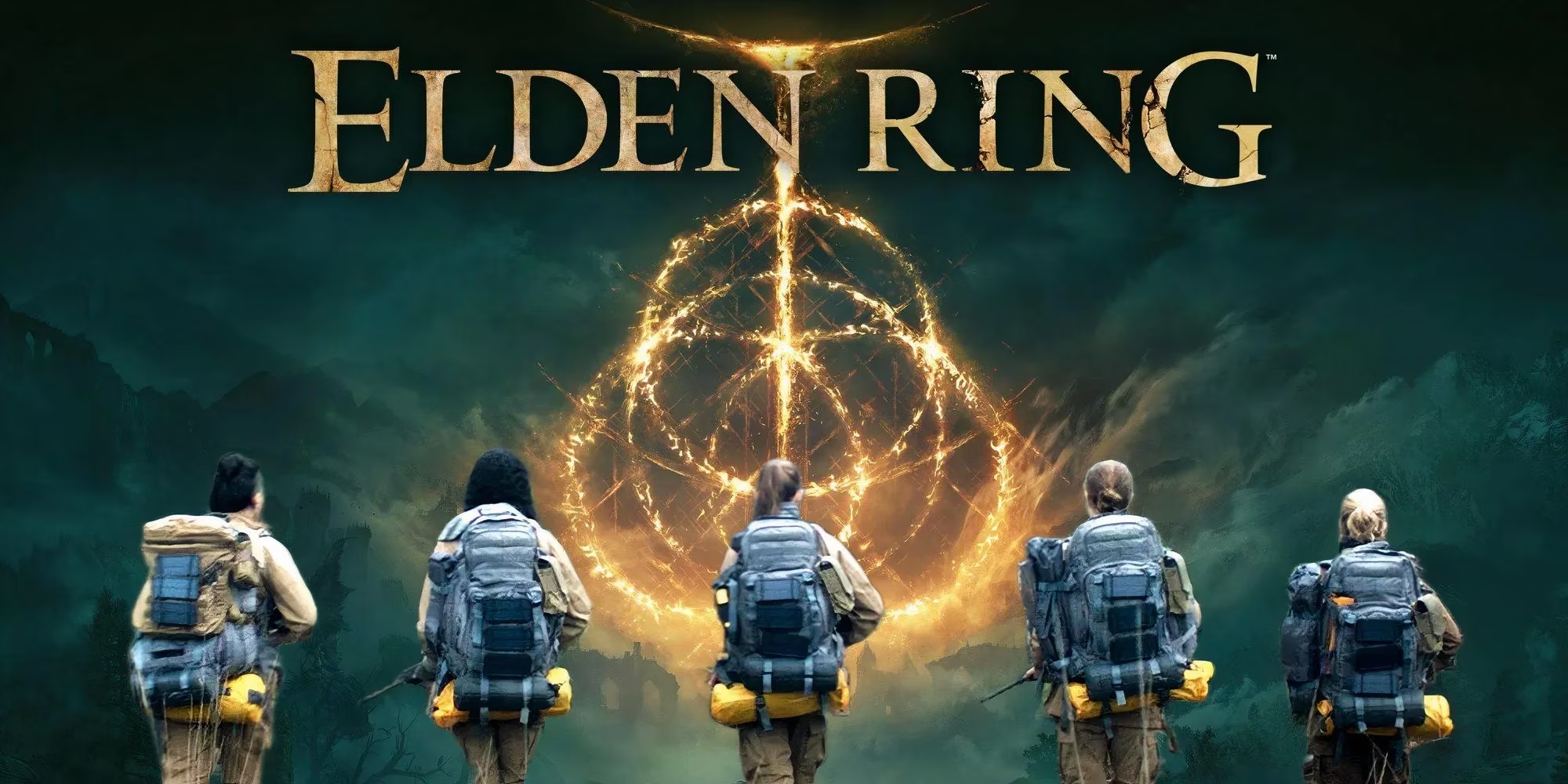
Garland brings impressive credentials to the table. His directorial portfolio includes thought-provoking works like Ex Machina, Civil War, and Warfare, while his writing credits extend to influential films like 28 Days Later and Dredd. What makes him particularly suitable for this project is his genuine connection to gaming—he served as story supervisor for DMC: Devil May Cry and co-authored Enslaved: Odyssey to the West. But most importantly, he's a passionate Elden Ring player himself, having completed multiple New Game Plus runs (he's currently on NG+6!).
The Lands Between, Elden Ring's hauntingly beautiful setting created through the collaboration between game director Hidetaka Miyazaki and George R.R. Martin, presents both incredible opportunity and daunting challenges for adaptation. Since its 2022 release, the game has captivated millions with its challenging gameplay, profound lore, and atmospheric world design.
The Annihilation Approach: Adaptation Through Memory
What's particularly intriguing about Garland's potential method is how it might mirror his approach to adapting Jeff VanderMeer's novel Annihilation. Rather than constantly referencing the source material, Garland remarkably read the book just once, then wrote the screenplay entirely from memory. This unconventional technique allowed him to capture the essence and atmosphere of the original while creating something distinctly cinematic.

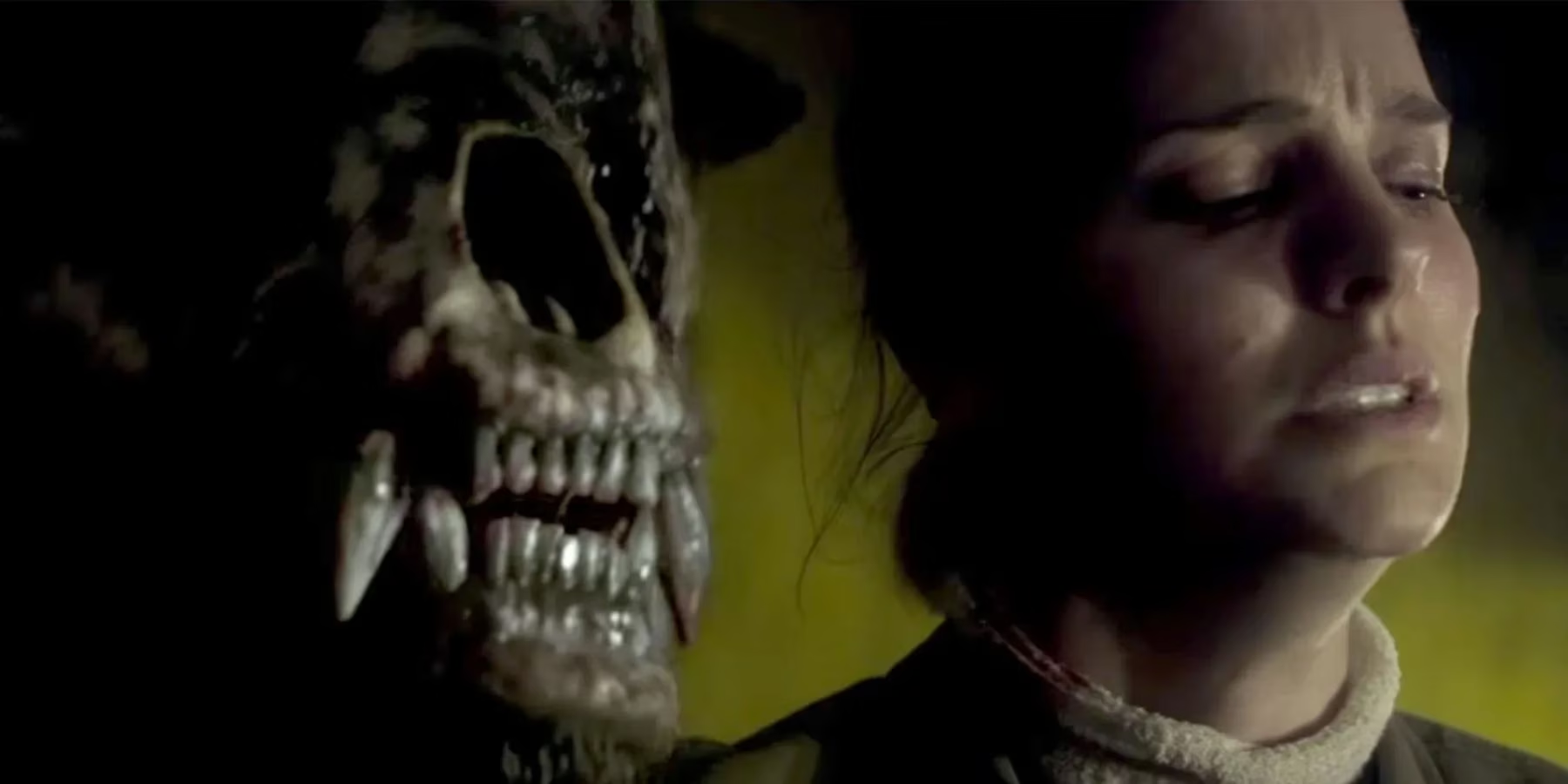
This memory-based approach yielded a film that, while different from its source, successfully translated the novel's unsettling beauty and existential horror. The mutant bear scene remains one of the most terrifying sequences in recent sci-fi horror, while the shimmer's beautiful horrors—like human-shaped plants and environment-melded soldiers—created a uniquely disquieting aesthetic experience.
Could this same approach work for Elden Ring? There's reason to believe it might. By focusing on his emotional and visual memories of playing the game rather than attempting to recreate every questline and boss fight, Garland could capture what makes the Lands Between so captivating without becoming bogged down in literal translation.
The Challenges of Game Adaptation
Video game adaptations face unique obstacles that book adaptations don't. While novels offer linear narratives, games like Elden Ring provide player-driven experiences where each person's journey through the Lands Between differs significantly. The Tarnished is a blank slate for players to project themselves onto—how does one translate that to film without disappointing millions of fans?
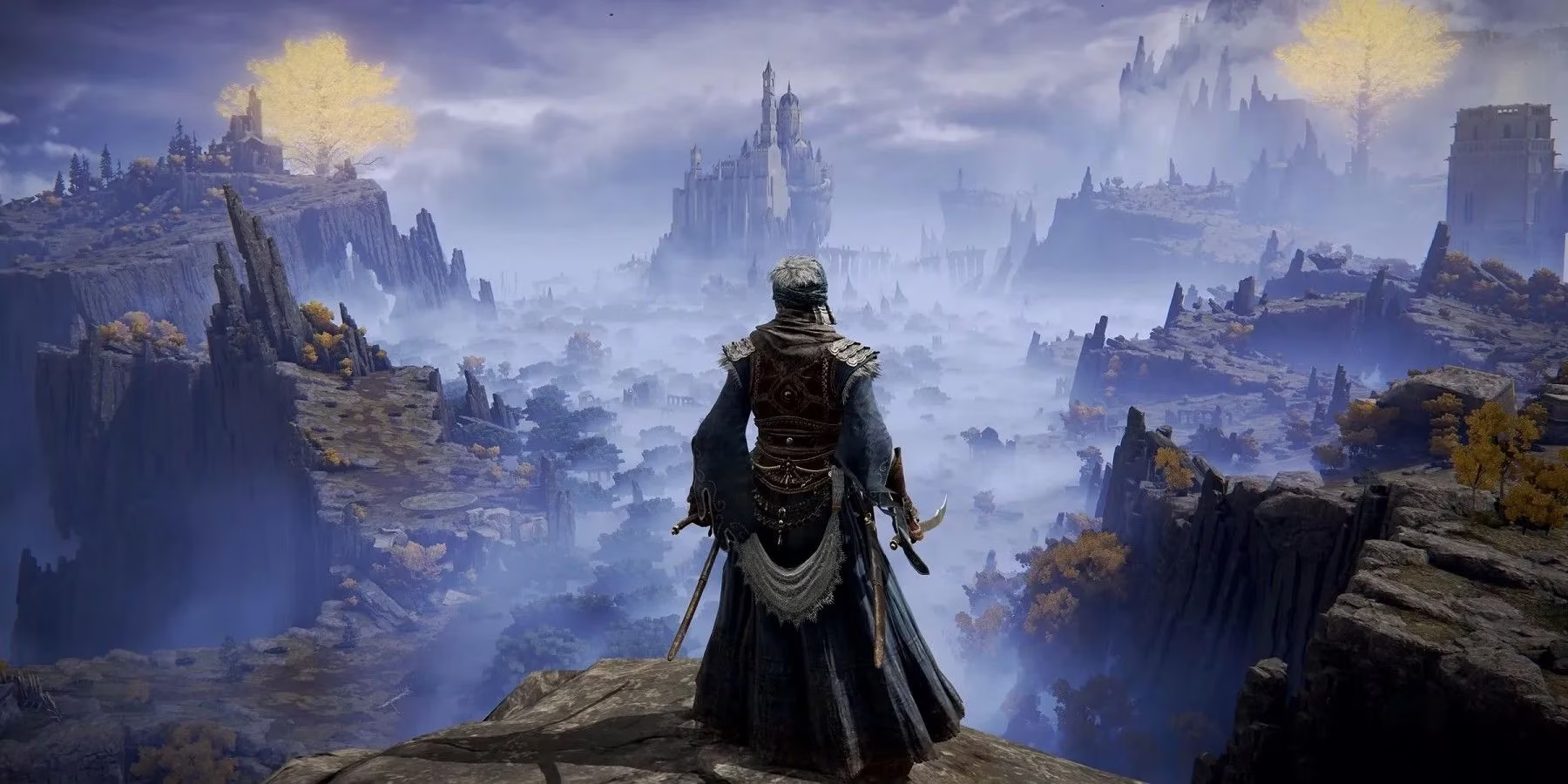
This is where Garland's memory-based approach could shine. Rather than attempting to recreate any single player's experience, he might distill the emotional core of what makes exploring the Lands Between so compelling—the awe of discovering Liurnia's lakes for the first time, the dread of Caelid's rot-infested landscape, or the otherworldly beauty of the Eternal Cities.
The Bear in the Room: Fan Expectations
The mutant bear scene in Annihilation serves as an apt metaphor for the challenge Garland faces—a terrifying obstacle that must be confronted. Video game fans can be notoriously protective of their beloved properties, and Elden Ring's community is particularly passionate.
If Garland omits beloved characters like Ranni the Witch, fearsome bosses like Malenia, or poignant storylines like Sellen's tragic fate, backlash could be severe. Yet attempting to include everything would result in an incoherent film. This balancing act represents perhaps the greatest challenge of the project.
A Fan First, Director Second
What ultimately gives hope for this adaptation is Garland's genuine love for the source material. Unlike many directors who approach video game adaptations as hired guns with little understanding of the material, Garland has spent hundreds of hours in the Lands Between. He understands the feeling of triumph after defeating a difficult boss, the wonder of discovering a hidden area, and the emotional impact of the game's melancholic beauty.
This intimate knowledge, filtered through his artistic sensibility and memory-based approach, could result in something truly special—not a literal recreation of the game, but a complementary work that captures its essence while functioning as its own artistic statement.
Looking Forward: A New Era for Game Adaptations?
If Garland succeeds with his Elden Ring adaptation, it could potentially reshape how we approach video game films. Rather than treating games as intellectual property to be exploited, his approach honors the medium's unique strengths while translating its essence to film.
In an industry often criticized for soulless adaptations, Garland's passion project feels refreshingly authentic. As we move through 2025, with filming reportedly set to begin later this year, the gaming and film communities watch with equal parts excitement and trepidation. Will this be the adaptation that finally breaks the video game movie curse? Only time will tell, but with Garland's track record and genuine passion for the source material, there's reason for optimism.
Whether you're a hardcore Elden Ring player or simply a fan of ambitious filmmaking, this project represents one of the most fascinating creative experiments in recent memory—a tarnished director seeking to become Elden Lord of game adaptations. 🎮🎬✨